BlSON is now Elerein!

What size hose for pressure washer

February 24, 2026

What Everyone Ought To Know About HIGH PRESSURE WASHER
Picture of BISON Santy
BISON Santy

Hello, I am Santy, the funder of bisonclean.com. I have been in cleaning machinery field for more than 5 years now, and the purpose of this article is to share with you the knowledge related to pressure washer from a Chinese supplier's perspective.

Table of Contents

When it comes to pressure washers, the pressure washer hose is often the unsung hero—quietly tucked away and easily overlooked. Yet, this simple component plays a crucial role in overall performance. Choosing the right hose size is not just about convenience; it directly affects cleaning power, operational safety, and even the lifespan of your machine.

Selecting the proper pressure washer hose size is essential for maximizing efficiency and achieving the best cleaning results. If you’re unsure which hose size is right for your equipment, this guide will help you make the correct choice for any type of pressure washer.

In this article, we’ll explain why hose size matters, how to choose the right size pressure washer hose, and practical tips to help you get the most effective performance from your cleaning tasks.

what-size-hose-for-pressure-washer

Role of hose in pressure washing

The primary function of a pressure washer hose is to deliver a steady water supply to the pressure washer.

Once water enters through the hose, the pressure washer’s pump increases the water pressure. This high-pressure water is then forced through the pressure hose and nozzle to perform effective cleaning.

Importance of hose size for pressure washers

Using the correct pressure washer hose size ensures the machine receives sufficient water flow for proper operation. A hose with too small a diameter may restrict water supply, potentially damaging the pump and reducing cleaning performance.

Conversely, an excessively long or overly large-diameter hose can reduce water pressure and increase cleaning time, making the pressure washer less efficient.

What size hose for a pressure washer?

Hose length

Hose length affects both cleaning reach and pressure performance.

Longer hoses provide greater reach for large areas, tall buildings, or hard-to-access spots, but may slightly reduce pressure due to internal friction.

Shorter hoses maintain stronger pressure and are easier to control, though they limit movement and may require repositioning the machine.

Choose a hose long enough to reach all cleaning areas without excessive length. A 50-foot hose often provides a good balance between reach and pressure.

Hose diameter

Hose diameter determines water flow and cleaning efficiency. Common inner diameters for pressure washer hoses include:

1/4 inch – lightweight and flexible, suitable for light-duty residential machines producing about 2,700 psi or less.

5/16 inch – a balanced option for medium-duty residential or light commercial washers, supporting roughly 3,000–3,400 psi.

3/8 inch – designed for commercial or industrial machines with high psi and gpm, allowing greater water flow with minimal pressure loss. Ideal for surface cleaners and heavy-duty rinsing.

Using a hose that is too small can restrict flow and reduce performance, while an oversized hose may be unnecessarily heavy and harder to handle.

Other things to consider when selecting a hose

1. Pressure rating compatibility

The pressure washer hose must have a psi rating that matches or exceeds your machine’s maximum pressure. Using a hose with a lower rating can lead to leaks, bursts, equipment damage, or injury. Always verify the hose’s pressure rating before purchase to ensure safe and reliable operation.

3. Materials and durability

Construction quality and material determine how long a pressure washer hose will last and how well it performs under high pressure. Durable hoses resist kinking, cracking, abrasion, and leaks, making them more suitable for frequent use.

Common hose materials include:

  • Vinyl – lightweight and affordable, suitable for light-duty tasks but less durable for long-term pressure washer use.
  • Rubber – stronger and more resistant to kinks and abrasion, making it a reliable choice for regular pressure washing.
  • Polyurethane – combines flexibility with high durability, resists UV damage, and can handle hot water applications.

For frequent or demanding use, rubber or polyurethane hoses are recommended.

3. Connectors and fittings

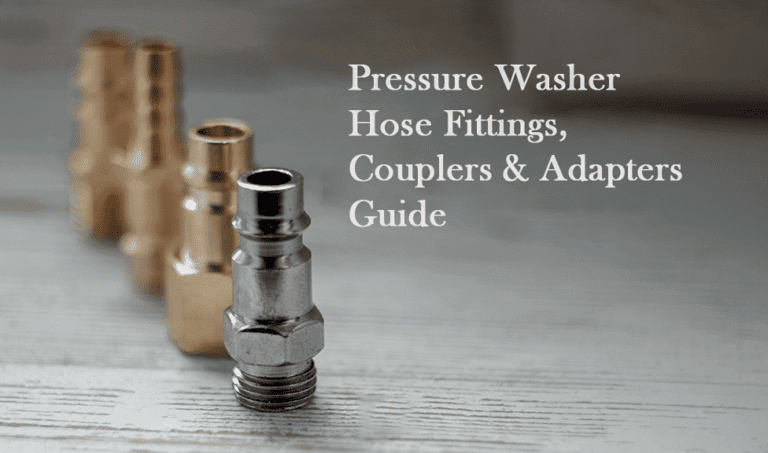
Proper pressure washer fittings ensure a secure, leak-free connection. Brass connectors are preferred because they resist corrosion and wear better than plastic or aluminum.

Most gas pressure washers use M22 14 mm fittings.

Some electric models use m22 15 mm fittings.

3/8-inch threaded connections may look similar to M22 fittings but are not interchangeable. Always confirm the correct fitting type for your machine.

4.Connection compatibility

Many pressure washers use a 3/4-inch ght (garden hose thread) inlet for the water supply. Ensure the pressure washer hose has matching connectors or use a suitable adapter for proper performance and ease of installation.

5. Practical recommendations

Based on long-term use experience, a high-quality pressure washer hose should offer:

  • Kink resistance for smooth water flow
  • Reinforced construction for high-pressure durability
  • Appropriate diameter and length for your specific washer
  • Reliable brass fittings for secure connections

How to choose the right hose size for your pressure washer and cleaning tasks

Low-duty washers (1300–1900 psi, 1.4–1.6 gpm)

For light tasks such as washing cars, small patios, or outdoor furniture, hoses with a 1/4-inch to 5/16-inch diameter are suitable. These hoses are lightweight, flexible, and designed to match the lower pressure and water flow of entry-level machines.

Medium-duty washers (2000–2800 psi, 1.8–2.5 gpm)

For tougher or more frequent jobs like cleaning decks, siding, and driveways, choose hoses with a 5/16-inch to 3/8-inch diameter. These sizes support moderate pressure and flow, providing improved water delivery for larger or dirtier surfaces.

Heavy-duty or commercial use (2900–4000+ psi, 2.8+ gpm)

For professional or demanding applications such as industrial cleaning, fleet washing, or removing stubborn grime, use hoses that are 3/8 inch or larger. Thicker hoses handle higher pressure and greater water volume, ensuring consistent and reliable performance.

how-to-choose-the-right-hose-size

How to care for your pressure washer hose to make it last longer

Proper storage

After use, coil your hose neatly to prevent tangles and damage. Store it in a cool, dry place away from direct sunlight, which can weaken and crack the material over time. Keep the hose away from sharp edges or rough surfaces that could cause cuts or abrasions.

Cleaning and inspection

Rinse the hose with clean water after each use to remove dirt, chemicals, and debris. Regularly inspect for cracks, leaks, or worn spots.

Avoid sharp bends and kinks

Do not bend or kink the hose sharply during use or storage. Sharp bends stress the hose walls, weakening or damaging the internal layers, which can lead to leaks or bursts.

Conclusion

Selecting the correct pressure washer hose size is essential for achieving optimal cleaning performance, efficiency, and equipment longevity. Matching the hose diameter—typically ranging from 1/4 to 3/4 inch—to the pressure washer’s PSI and GPM ensures proper water flow without sacrificing pressure. Larger-diameter hoses are better suited for heavy-duty tasks and high-power machines, while smaller diameters work well for light-duty or portable units.

As a professional pressure washer parts manufacturer in China, Elerein provides high-quality hoses engineered for durability, safety, and dependable performance across a wide range of applications. Explore our superior pressure washer hose solutions and confidently enhance your brand influence.

FAQs about pressure washer hose size

Common hose diameters include 3/8 inch, 1/2 inch, 5/8 inch, and 3/4 inch.

Among these, 5/8 inch is the most widely used size because it provides a good balance of water flow, flexibility, and ease of handling.

Reducing the hose diameter typically reduces water flow rather than increasing pressure.

While restriction may create localized back pressure, the overall usable pressure and cleaning performance usually decrease because less water reaches the nozzle.

Related Posts

how-to-repair-a-pressure-washer-hose

How to repair a pressure washer hose

This article will take you through the process of repairing your pressure washer hose, ensuring your pressure washer hose is operating at optimal efficiency.

To Be Our Agent

We will contact you within 1 working day.

Ask For A Quick Quote

We will contact you within 1 working day.